How to handle a bee or wasp nest in your yard
Discover effective strategies to safely manage bee or wasp nests in your yard with expert tips from Pensacola Pest Pros.
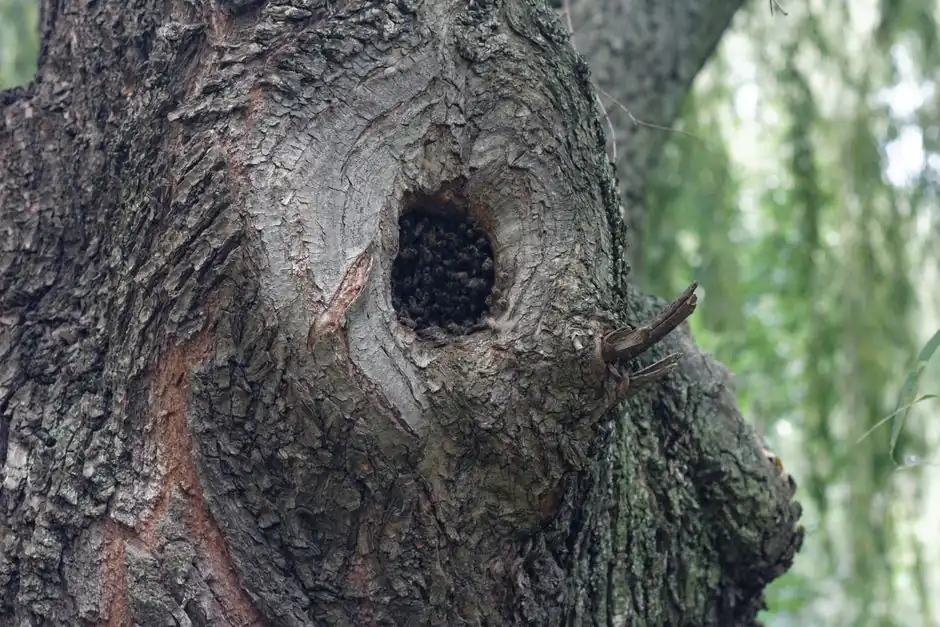
Finding a bee or wasp nest in your yard can be alarming, but it is essential to handle the situation carefully. The safest way to deal with a nest is to assess its size and location before determining whether to remove it yourself or call a professional.
Bee and wasp nests are structures built by these insects for breeding and shelter. Understanding their behavior and nesting habits can help you manage them effectively.
What are bee and wasp nests?
Bee and wasp nests serve as homes for these insects, providing a safe environment for their young. Bees typically create hives using wax, while wasps often build nests from paper-like material made from chewed wood fibers. Both types of nests can vary in size and shape, depending on the species.
How to identify a bee or wasp nest
Identifying a bee or wasp nest involves looking for specific signs. Nests are often found in sheltered areas, such as under eaves, in trees, or within shrubs. You may notice an increase in insect activity around the area, particularly during warm months.
Here are some tips for identifying nests:
- Look for a cluster of insects flying in and out of a specific area.
- Observe the size and shape of the nest; bee hives are usually round, while wasp nests can be more irregular.
- Check for visible entrance holes or openings in the nest.
What to do if you find a nest
If you discover a nest, the first step is to assess the situation. If the nest is small and away from high-traffic areas, you might consider leaving it alone. However, if the nest poses a risk to you or your family, take precautions before attempting to remove it.
Here are some recommended steps:
- Wear protective clothing, including long sleeves, pants, gloves, and a mask.
- Plan your approach for nighttime when bees and wasps are less active.
- Use a commercial insecticide specifically designed for bee and wasp control, following the instructions carefully.
For those in Pensacola, it's crucial to understand local regulations regarding bee removal, especially if the nest belongs to a protected species.
Common mistakes when handling nests
Many homeowners make mistakes when dealing with bee and wasp nests, often leading to painful stings or more significant infestations. Avoid these common pitfalls:
- Ignoring warning signs of aggression; if insects are buzzing around you, retreat.
- Attempting to remove the nest during the day when bees and wasps are most active.
- Using inappropriate insecticides that may not effectively eliminate the nest.
When to call a professional
In some cases, it's best to call a professional for bee and wasp removal. If the nest is large, located in a hard-to-reach place, or if you or someone in your household is allergic to stings, contacting a pest control service is advisable. Pensacola Pest Pros offers expert bee and wasp removal services tailored to your needs.
Frequently Asked Questions
1. How much does bee or wasp removal cost?
Typical costs for bee or wasp removal in 2026 range from $100 to $500, depending on the nest's size and location.
2. Can I remove a bee or wasp nest myself?
Yes, but it requires caution. Ensure you have protective gear and appropriate insecticides, and consider doing it at night.
3. What happens if I get stung?
If you get stung, remove the stinger if present, clean the area, and apply ice. Seek medical help if you experience severe reactions.
4. Are bees harmful?
While bees can sting, they generally won't unless threatened. They are also essential for pollination.
5. How can I prevent nests from forming?
Keep your yard clean, seal food sources, and regularly inspect areas where nests may form.